



Our portfolio of carbon projects stack additional value within environmental solutions that not only mitigate climate impact but variously tackle biodiversity, soil rehabilitation, invasive species management, and water-quality improvements.


A global-first, Reef Credits values and pays for improved water quality resulting from land stewardship, helping to addresses the second biggest threat to the future of the Great Barrier Reef after climate change.
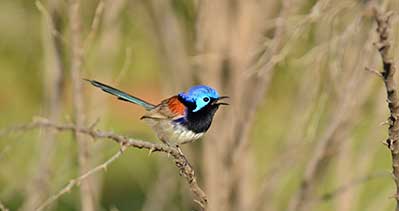

Our nature positive biodiversity projects aim to bring new products to market that will measure, independently verify and value the biodiversity outcomes of land stewardship and carbon farming.


Another global first, our plastic program measures, reports, and independently verifies increased collection and recycling of single use plastics within the Australian banana industry.
GreenCollar acknowledges Aboriginal and Torres Strait Islander peoples as the traditional custodians of the land and waters on which we live and work. We pay our respects to their Elders past and present. We acknowledge, respect and strive to honour the deep spiritual attachment and the relationship that Aboriginal and Torres Strait Islander people have to country.
220
Australian
Projects
We work in partnership with farmers, graziers, Traditional Owners and other land managers to integrate high quality, high integrity projects into their existing operations and deliver a range of environmental, economic and social benefits.
126
Million
ACCUs contracted
Not only are we the largest supplier of nature-based ACCUs, we are also at the forefront of the voluntary market, actively working to generate demand for high quality, high integrity ACCUs and create new opportunities through new markets.
44+
Thousand
Reef Credits delivered
With a market opportunity of over 6 million credits by 2030, Reef Credits is a highly credible environmental market supporting the future of our National icon by rewarding land managers for on-farm actions that deliver measurable water quality outcomes.
Benefits
We believe that by valuing environmental action and outcomes, we can drive impact at scale, creating methodologies and markets that ensure the environment is on the balance sheet and money goes where it matters most.
- Improved biodiversity
- Increased ground cover
- Improved soil quality
- Better water retention
- Reduced erosion or run-off
- Improved water quality
- Reduced plastic in the waste stream
- Additional, diversified income stream
- Investment in infrastructure
- Increased productivity
- Long term business sustainability
- Drought resilience
- Investment back into regional communities
- Creating training and job opportunities
- Helping to keep families on the land
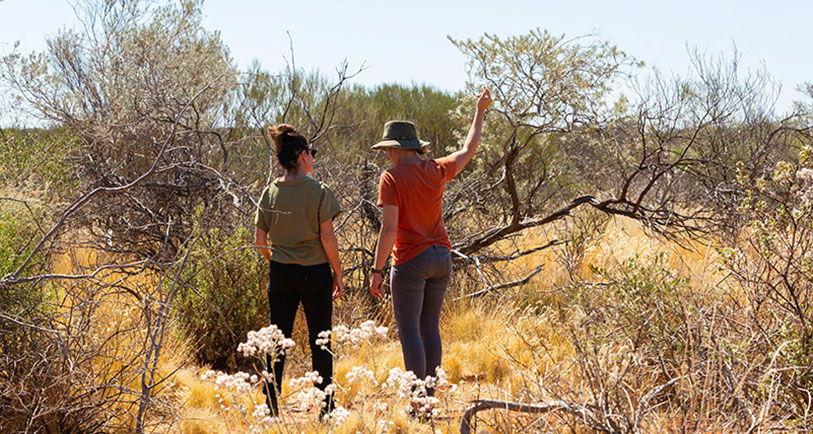

BUYERS
Holistic solutions to reduce your environmental footprint
As one of the largest providers of nature based ACCUs in the market, we understand what it takes to deliver high quality, high integrity and high impact environmental credits. We work across the carbon, water, plastics and biodiversity markets to develop reduction and offset strategies that support the development of new products and help organisations achieve net-zero targets. With GreenCollar, you can be sure that the projects you support deliver real environmental outcomes that are independently verified and backed by the latest science.
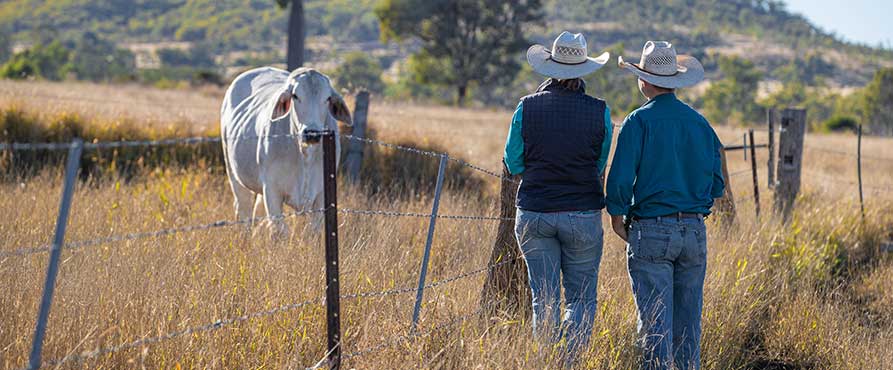
LAND MANAGERS
It’s your property, your business, and your decisions
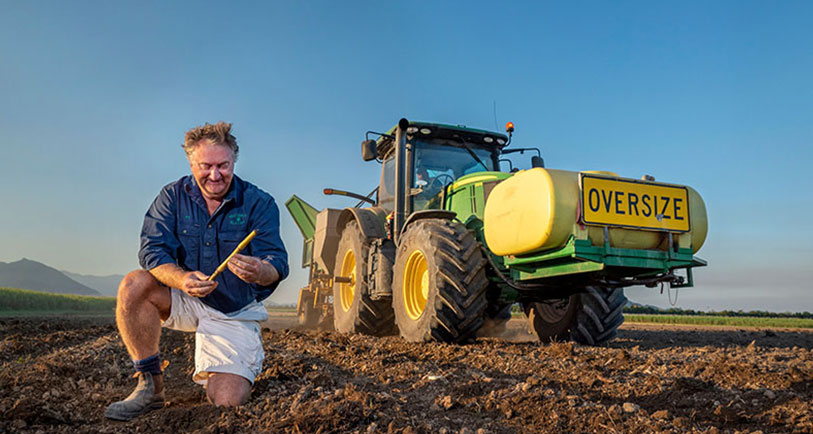
GreenCollar works in partnership with farmers, graziers and other land managers to design projects that align with your operational goals. Undertaking an environmental project with us means you get paid for environmental outcomes resulting from land management practices that deliver environmental, economic and social benefits for your business as well as the environment.

TRADITIONAL OWNERS
Working with you to care for land and country
We work with Traditional Owners to align our projects with your knowledge and aspirations. By working together to gain consent, create partnerships and collaborate on projects, we aim to preserve cultural heritage, the environment, and bring the community together.
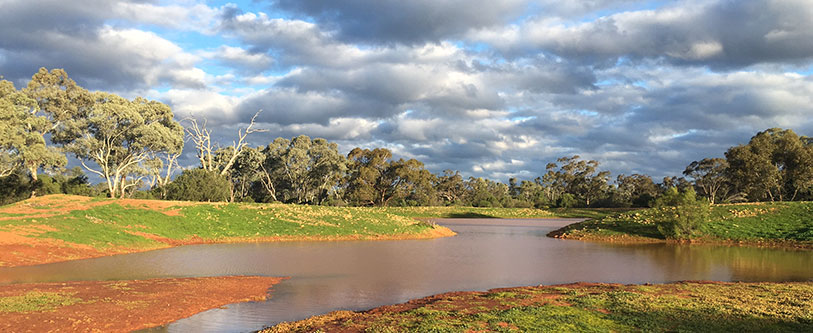
RESEARCH
Make GreenCollar your partner for climate action
Join us to develop world-class research for environmental managers and stakeholders to use in ecosystem services markets, land-use planning, and decision-making. Our research program focusses on improving our capacity to understand, manage and conserve biodiversity, develop new science-based methods and processes for existing markets, and address some of the world’s biggest environmental challenges including plastic pollution, water quality and deforestation.
WORK WITH US
We exist to value the environment, because the most precious resource for life on our planet needs to be properly valued and accounted for.
We believe that by valuing environmental action and outcomes, we can drive impact at scale, creating methodologies and markets that ensure the environment is on the balance sheet and money goes where it matters most.
Get in Touch Today